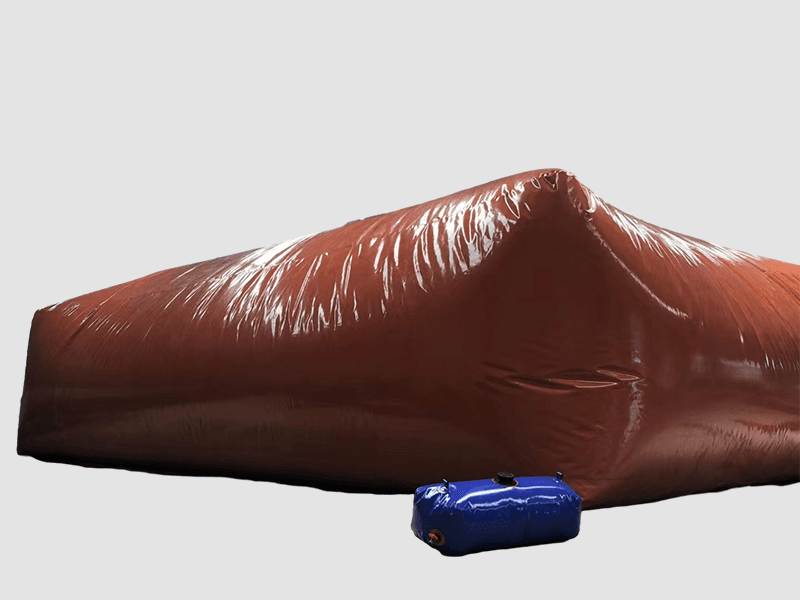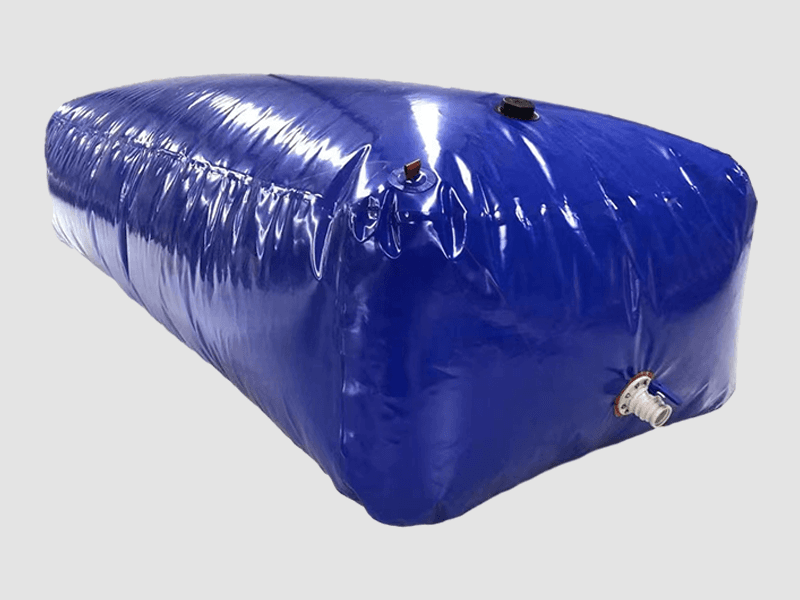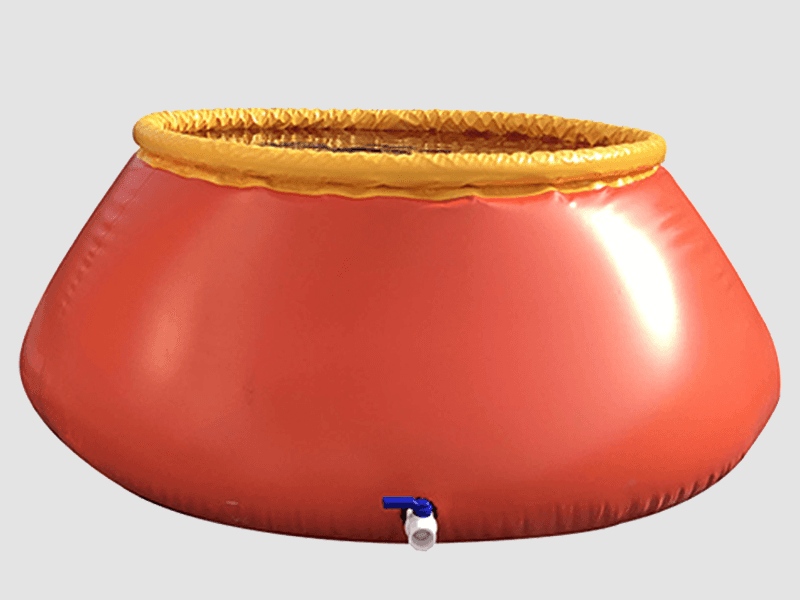


Kain tiup PVC adalah landasan peralatan kelautan dan luar ruangan portabel modern, yang menawarkan kombinasi unik antara kekuatan tarik tinggi, retensi udara, dan fleksibilitas. Keunggulan inti bahan ini terletak pada struktur kompositnya, biasanya melibatkan bahan poliester atau nilon yang diapit di antara lapisan polivinil klorida. Bagi produsen dan pengguna akhir, hal yang paling penting adalah hal ini daya tahan ditentukan oleh berat lapisan dan kepadatan tenun dari kain dasar. Kain tiup PVC berkualitas tinggi dapat menahan tekanan melebihi 1,5PSI untuk tabung standar dan hingga 15PSI untuk lantai dengan jahitan lepas, sehingga cocok untuk penggantian lambung kaku di lingkungan yang sulit.
Komposisi Struktural dan Ilmu Material
Memahami anatomi kain tiup PVC sangat penting untuk memilih bahan yang tepat untuk aplikasi spesifik. Ini bukan sekedar lembaran plastik tetapi komposit rekayasa yang dirancang untuk menahan tekanan internal dan abrasi eksternal.
Peran Base Scrim
Tulang punggung kainnya adalah samaran, biasanya terbuat dari poliester atau nilon berkekuatan tinggi. Jaring ini memberikan kekuatan tarik yang diperlukan untuk menahan tekanan udara tinggi tanpa meregang secara berlebihan. Jumlah penyangkal yang lebih tinggi, seperti 1000D atau 1500D , menunjukkan benang yang lebih tebal dan kuat, yang berarti ketahanan yang lebih baik terhadap tusukan dan robekan. Pola tenun juga penting; tenunan polos yang ketat menawarkan retensi udara yang unggul, sedangkan tenunan yang lebih longgar memungkinkan fleksibilitas yang lebih besar namun mengurangi kapasitas tekanan.
Pelapisan dan Laminasi
Lapisan PVC memiliki dua fungsi utama: menciptakan penghalang kedap udara dan melindungi samaran dari faktor lingkungan seperti radiasi UV, air asin, dan abrasi. Kain premium menggunakan proses dua langkah di mana scrim pertama-tama diresapi dengan pasta PVC dan kemudian dilapisi pada kedua sisinya. Hal ini memastikan enkapsulasi serat secara menyeluruh, mencegah masuknya air yang dapat menyebabkan pembusukan atau delaminasi. Berat total kain, sering kali diukur dalam gram per meter persegi (gsm), merupakan indikator kualitas yang dapat diandalkan, dengan aplikasi tugas berat yang memerlukan bahan dalam kisaran 900 hingga 1500 gsm .
Metrik Kinerja Utama untuk Seleksi
Saat mengevaluasi kain tiup PVC, beberapa spesifikasi teknis menentukan kinerjanya. Mengabaikan metrik ini dapat menyebabkan kegagalan dini, terutama dalam skenario tekanan tinggi atau abrasi tinggi.
| Metrik | Kisaran Standar | Signifikansi |
|---|---|---|
| Kekuatan Tarik | 2000-4000N/5cm | Ketahanan terhadap meledak di bawah tekanan |
| Kekuatan Robek | 200-400 N | Kemampuan untuk menahan penyebaran luka |
| Permeabilitas Udara | < 5 ml/cm²/menit | Penting untuk menjaga inflasi dari waktu ke waktu |
| Resistensi UV | 500 jam (Xenon) | Mencegah kapur dan kerapuhan |
Teknologi Canggih: Campuran Drop-Stitch dan Hypalon
Inovasi dalam kain tiup PVC telah menghasilkan struktur khusus yang memperluas kegunaan bahan tersebut lebih dari sekadar alat bantu apung sederhana. Dua kemajuan penting adalah teknologi jahitan jatuh dan pelapis hibrida.
Konstruksi Jahitan Jatuh
Kain jahitan jatuh memungkinkan struktur tiup mencapai permukaan datar dan kaku yang sebanding dengan bahan padat. Ribuan benang poliester halus menghubungkan lapisan atas dan bawah kain berlapis PVC. Ketika dipompa ke tekanan tinggi (biasanya 10-15PSI ), benang-benang ini menarik lapisan-lapisannya dengan kencang, sehingga menciptakan panel yang kaku. Teknologi ini penting untuk lantai kayak tiup, papan dayung berdiri, dan dek jembatan darurat, memberikan integritas struktural tanpa beban kayu atau aluminium.
PVC vs Hypalon (CSM)
Meskipun Hypalon (Chlorosulfonated Polyethylene) sering disebut-sebut sebagai produk yang unggul dalam paparan sinar UV ekstrem, formulasi PVC modern telah menutup kesenjangan tersebut. PVC tetap menjadi pilihan dominan daya tahan yang hemat biaya . Lebih mudah untuk mengelas, lebih mudah diperbaiki, dan menawarkan ketahanan abrasi yang sangat baik. Untuk sebagian besar aplikasi rekreasi dan komersial, PVC berkualitas tinggi dengan penghambat UV memberikan masa pakai lebih lama 10-15 tahun , menjadikannya alternatif praktis dibandingkan Hypalon yang jauh lebih mahal.
Praktik Terbaik Fabrikasi dan Perbaikan
Umur panjang produk tiup PVC sangat bergantung pada cara kain disambung dan dirawat. Teknik fabrikasi yang tepat akan menjamin jahitan yang kuat, sedangkan metode perbaikan yang benar dapat memperpanjang umur barang yang rusak.
- Pengelasan Termal: Tidak seperti pengeleman, pengelasan termal menyatukan lapisan PVC, menciptakan jahitan yang sekuat kain itu sendiri. Metode ini lebih disukai untuk aplikasi bertekanan tinggi karena menghilangkan risiko kegagalan perekat.
- Ikatan Pelarut: Untuk perbaikan atau produksi skala kecil, perekat berbahan dasar pelarut secara kimia melelehkan permukaan PVC menjadi satu. Pastikan permukaan bersih dan terkelupas sebelum diaplikasikan untuk memaksimalkan kekuatan ikatan.
- Kompatibilitas Bahan Tambalan: Selalu gunakan bahan tambalan dari produsen yang sama atau dengan spesifikasi pelapis yang sama. Tingkat ekspansi termal yang tidak sesuai dapat menyebabkan tambalan terkelupas karena perubahan suhu.
- Pembersihan dan Penyimpanan: Bilas kain PVC dengan air bersih setelah terkena garam atau bahan kimia. Simpan di tempat sejuk dan kering, jauh dari sinar matahari langsung untuk mencegah migrasi bahan pemlastis, yang dapat membuat kain menjadi rapuh seiring waktu.